
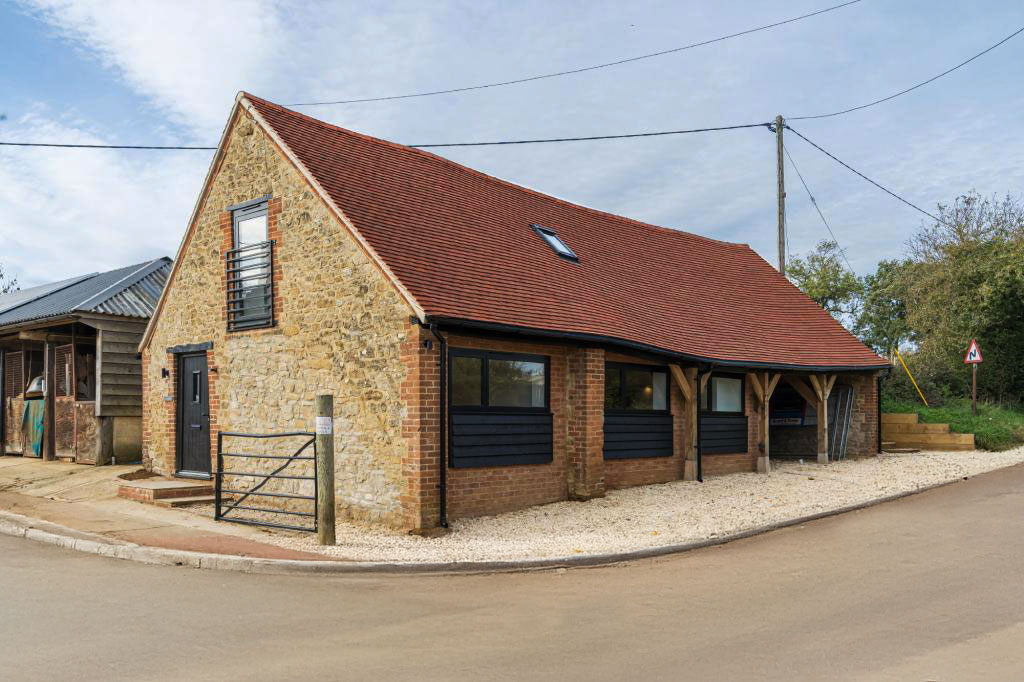
Imagine stepping into your own, meticulously designed living space where original beams meet open, light-filled rooms, where stone walls frame panoramic views of the countryside, and where every detail is shaped around the way you want to live. Yes, converting a barn into a home can be your opportunity to create a living space that blends history, character and rural charm with modern, luxurious comfort.
But before your vision can become reality, there is an essential first step: securing barn conversion planning permission.
At Beckwood, we have extensive experience guiding clients through the complexities of obtaining barn conversion planning permission. So, give us a call if you’d like to turn what can feel like a daunting process into a clear, manageable journey that leads to a beautifully realised home.
Understanding the Planning Permission Landscape
Planning permission is a daunting bureaucratic hurdle; but it’s worth remembering that it is the framework that ensures your barn conversion harnesses the building’s character and its surroundings while still adhering to the wider planning policies of your local authority. Done well, and it’s win-win for everyone.
With that said, barns present unique challenges. Many are listed, located in conservation areas, or subject to green belt restrictions. Others may have structural limitations, access issues or heritage considerations that influence what can and cannot be done.
At Beckwood, we know how to navigate these intricacies. From understanding historic construction methods to interpreting local planning guidelines, we can ensure your proposal is prepared to demonstrate sensitivity and compliance. Our experience allows you to move forward with confidence, knowing that the original charm of your barn will be preserved while creating spaces that are fully functional and luxuriously comfortable for modern living.
Overview of What Class Q Means for Barn Conversion Planning Permission
While many barn conversions require a full planning application, others may fall under Class Q of the Town and Country Planning Order. This is a specific permitted development route that allows agricultural buildings to be converted into homes without submitting a traditional planning application.
Class Q has been instrumental in revitalising rural areas, offering a lifeline to farmers and landowners by preserving rural character while enabling buildings to be repurposed into up to five dwellings under the original criteria. However, recent changes to the regulations have broadened the possibilities further.
Critical Changes to Class Q Regulations
The most recent updates to Class Q introduce several significant shifts:
Established Agricultural Use Requirement
To qualify, the building must have formed part of an established agricultural unit as of 24 July 2023. Verifying this is essential, as the date now forms the baseline for determining eligibility.
More Dwellings Allowed
The number of homes permitted under Class Q has increased. Instead of a maximum of five dwellings, landowners may now convert agricultural buildings into up to ten residential units. This opens doors for larger scale conversions and enhances the economic viability of some projects.
Reduced Maximum Floor Area per Unit
Although the number of dwellings permitted has increased, each individual home must now be no more than 150 square metres, with a combined maximum of 1000 square metres across the entire conversion. This encourages thoughtful design and ensures developments remain sympathetic to the building’s character.
External Insulation Now Permitted
Recognising the need for energy efficiency, the regulations now allow the installation of external insulation as part of a Class Q conversion. This ensures modern performance standards can be achieved without compromising comfort or sustainability.
Rear Extensions Allowed
Extensions of up to four metres can now be added at the rear, offering greater flexibility for designing practical and well-proportioned living spaces while still respecting the agricultural character of the building.

What These Changes Mean for Your Barn Conversion Planning Permission
These regulatory updates present both opportunities and challenges. At Beckwood, our role is to help you understand how the new rules apply to your building and to guide you towards the most appropriate route forward, whether that is a Class Q conversion or a full planning application.
The increased number of dwellings can improve the economic viability of larger barns or clusters of buildings. Meanwhile, the reduced floor area per unit places greater emphasis on intelligent, efficient spatial design, something our team and our architectural partners excel in.
The allowance for external insulation and modest rear extensions supports modern living, energy performance and comfort, allowing us to create homes that feel truly remarkable without losing sight of the agricultural character that makes barns so appealing.
The Barn Conversion Planning Permission Process
While no two barn conversions are the same, there are common stages during the planning permission process that we follow to guide projects smoothly from concept to approval.
Initial Assessment and Feasibility
The first step is a thorough assessment of the existing structure and site. We evaluate the condition of the barn, identify any structural challenges, and consider practical matters such as access, drainage and connections to services. Understanding the building’s history and any restrictions is critical to shaping a feasible and compelling plan.
Pre-Application Consultation
Early engagement with the local authority is key. At Beckwood, we often advise on pre-application discussions, helping you to present a proposal that aligns with planning policy and highlights the benefits of the conversion. This step can reduce delays, anticipate questions and ensure a smoother submission process.
Design and Submission
Working closely with architects, we develop a design that balances ambition with practicality. Every element, from rooflines and window placement to materials and layout, is considered to meet planning expectations while enhancing the building’s character.
Review and Decision
Once submitted, planning applications undergo review. Beckwood liaises directly with all parties, responding to queries, providing technical guidance and suggesting refinements to keep the process moving efficiently.
Approval and Next Steps
After permission is granted, detailed designs and construction planning begin. We coordinate architects, contractors and specialists to ensure the project progresses seamlessly from planning into build.
Why Expert Guidance Matters
The barn conversion planning permission process is complex. Even minor misunderstandings of planning rules, Class Q criteria or structural limitations can lead to delays, unexpected costs or restrictions on design. Beckwood’s expertise ensures these risks are minimised.
Our experience with sensitive, heritage-rich projects means that you can focus on imagining your future home, confident that all technical and regulatory aspects are handled by a team who understands the nuances of barn conversions.
The Reward of a Bespoke Barn Conversion
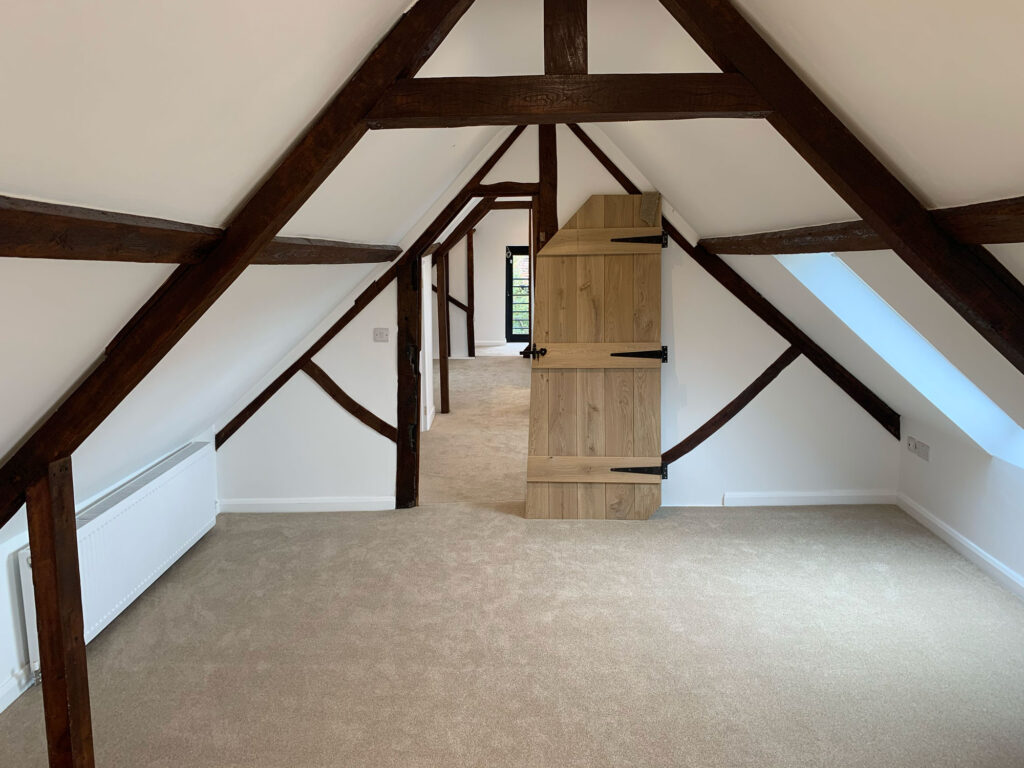
The benefits of a successful barn conversion are tangible and enduring. Exposed beams, vaulted ceilings and original brick or stone offer authenticity and charm. Thoughtful planning introduces natural light, open plan areas and strong connections to the outdoors.
A barn conversion is more than a building; it is a home tailored to your lifestyle. Whether you envisage tranquil retreats, family gatherings, or entertaining in style, spaces can be designed to enhance both daily living and extraordinary moments.
Every detail matters. From bespoke joinery to energy efficient systems, Beckwood ensures your barn conversion is both visually striking and wonderfully practical.
Begin Your Barn Conversion Journey
Securing barn conversion planning permission is the first step in bringing a barn to life as a bespoke home. With Beckwood, the process is clear, structured and supported by a team with extensive experience in planning-sensitive projects. We take care of the technical, regulatory and practical complexities so that you can focus on shaping the spaces, interiors and experiences that matter most.
Whether you are imagining a quiet countryside retreat, a lively family home or a distinctive statement property, the Beckwood team is ready to guide you. Contact Beckwood today to discuss your barn conversion and take the first step towards a home that is as unique and considered as the building itself.
Let’s Start the Conversation
Fill in your details below to start your project